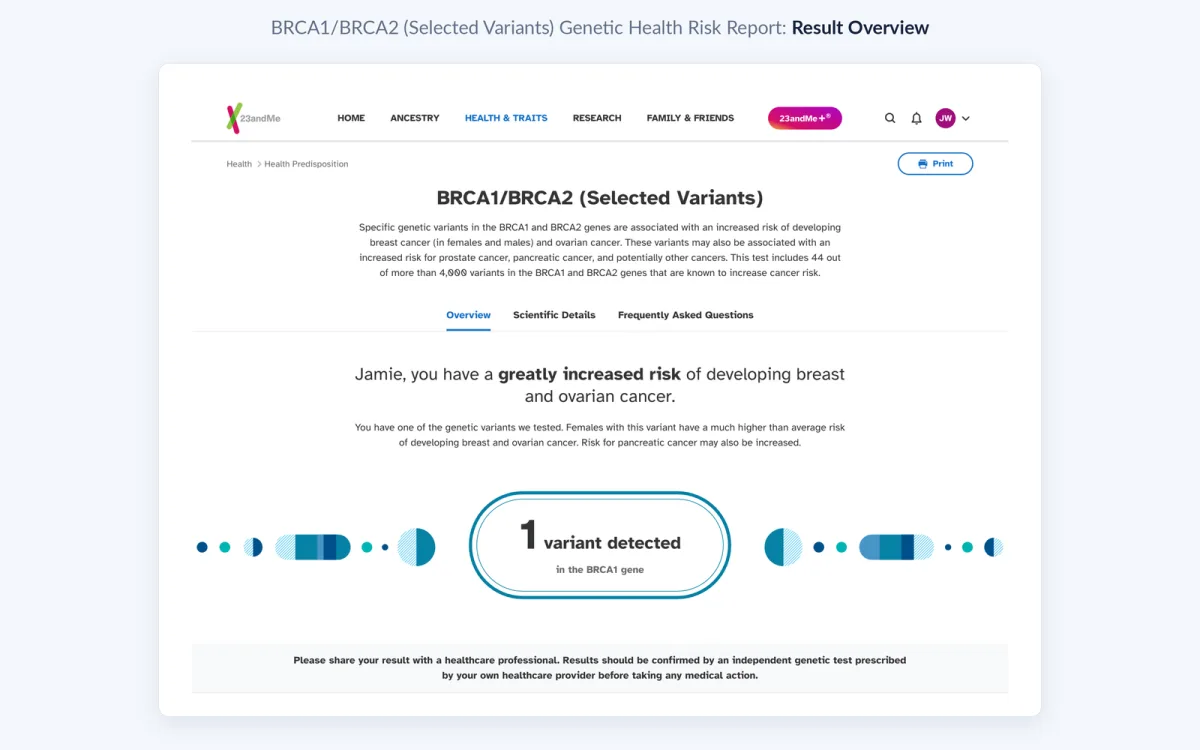
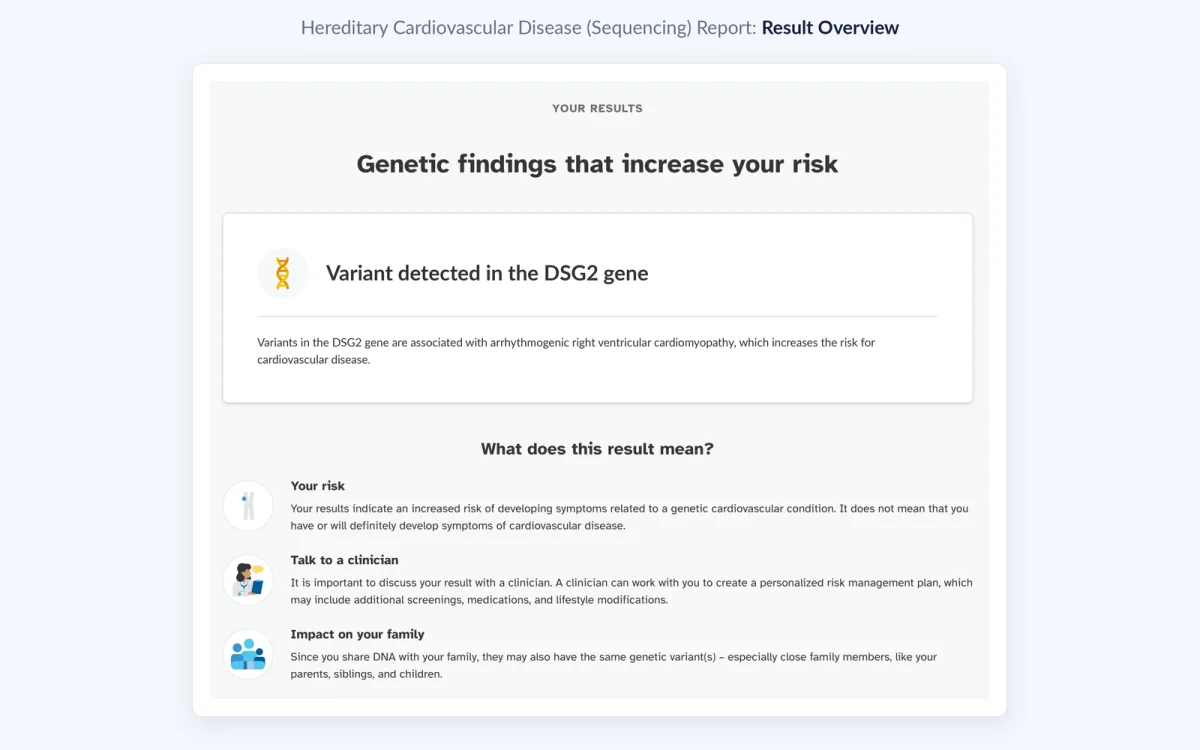
The distinction comes down to whether a variant is disease-causing (a primary driver of a specific condition) versus a risk modifier, as well as the strength of evidence supporting that role:
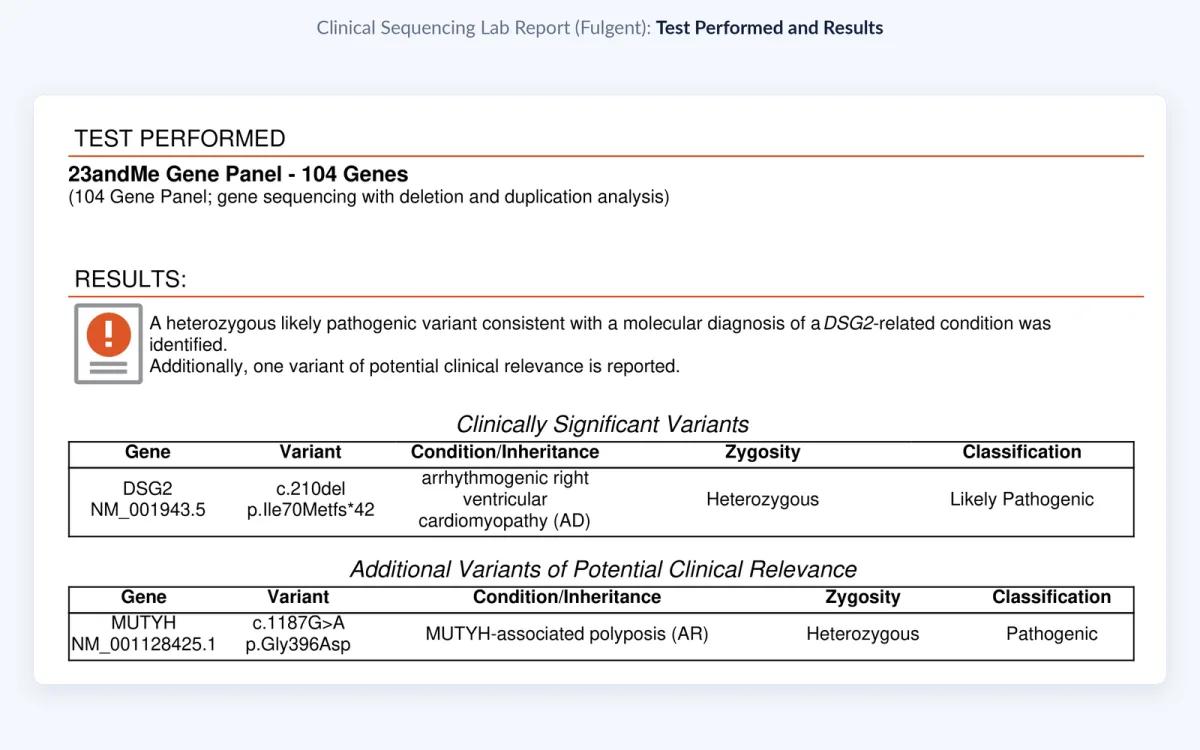
Pathogenic and likely pathogenic (P/LP): These are variants classified as primary drivers of a specific condition. "Pathogenic" indicates that the evidence for a disease-causing role is well established, while "likely pathogenic" describes substantial, though not yet exhaustive, evidence supporting that role. In clinical practice, P and LP variants are typically managed similarly. Depending on the gene and inheritance pattern, a P/LP result might indicate an increased disease risk, explain a clinical diagnosis, or identify a carrier (for example, autosomal recessive conditions like cystic fibrosis).
Risk allele: A variant that influences disease susceptibility, but is neither necessary nor sufficient to cause a condition on its own. Risk alleles are often common in the general population and carry a smaller individual effect size, so many people who carry one never develop the condition. They can help contextualize a patient's overall risk profile alongside clinical history and lifestyle factors.
The variant classification for a given finding appears in the clinical sequencing lab report, which patients using Premium Ancestry + Total Health can download from their account.