Introduction to Genetics
Learn the basics about genes – what they are, how they work, and how DNA differences make us unique.
Your Starting Point
Let's get started with a few quick questions. This isn't a test — just a way to capture your starting point.
Welcome Video
Hi there, and welcome to the first module in the Genetics Learning Hub! My name is Ruth, and I'm a scientist here at the 23andMe Research Institute. Before coming to 23andMe, I worked in a lab studying the connection between DNA and cancer. I am a total science nerd, and I love talking about genetics, so I'm really excited to be working with you.
At the 23andMe Research Institute, we care deeply about how genetics connects us all — to our health, our families, and our shared humanity. These learning modules are designed to bring those ideas to life in ways that feel meaningful and relevant for you and your family.
In this first module, we're going to help you assemble your genetics toolkit. You can think of it as a way of really building the foundation for everything else we'll explore together.
Genetics can sometimes feel like a brand new language, with words like adenine, translocation, chromosome, and genome.
But once you have the vocab down, you can dive into the really important stuff, like understanding new medical research, advocating for your own health, and having more meaningful conversations with your family and your healthcare provider about your DNA.
Ready to see how it all works? If so, check out the activity below to get started.
And after you've finished up this module, you can move onto the next two, which focus on how your DNA can impact your health, and the importance of understanding your family health history.
Thanks so much for joining us, and really looking forward to working together!
Was this learning activity useful?
DNA Discovery
Click on the images below to learn about DNA, from basic genetics vocab to how DNA differences make us unique.
-
 Your Cells Contain Your DNA
-
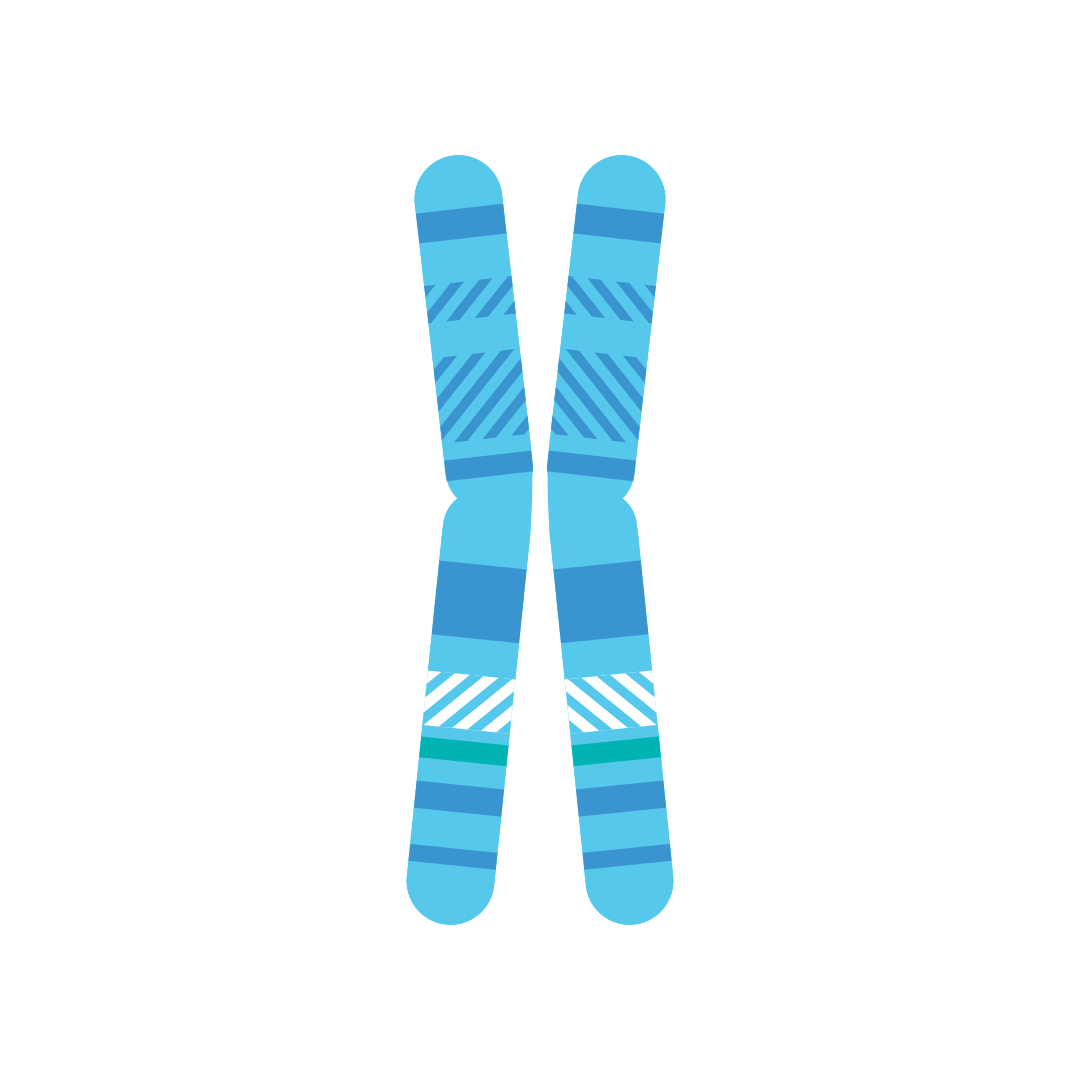 DNA is Packaged in Chromosomes
-
 The Sex Chromosomes Determine Genetic Sex
-
 The DNA Cookbook
-
 How Do Genes Code for Proteins?
-
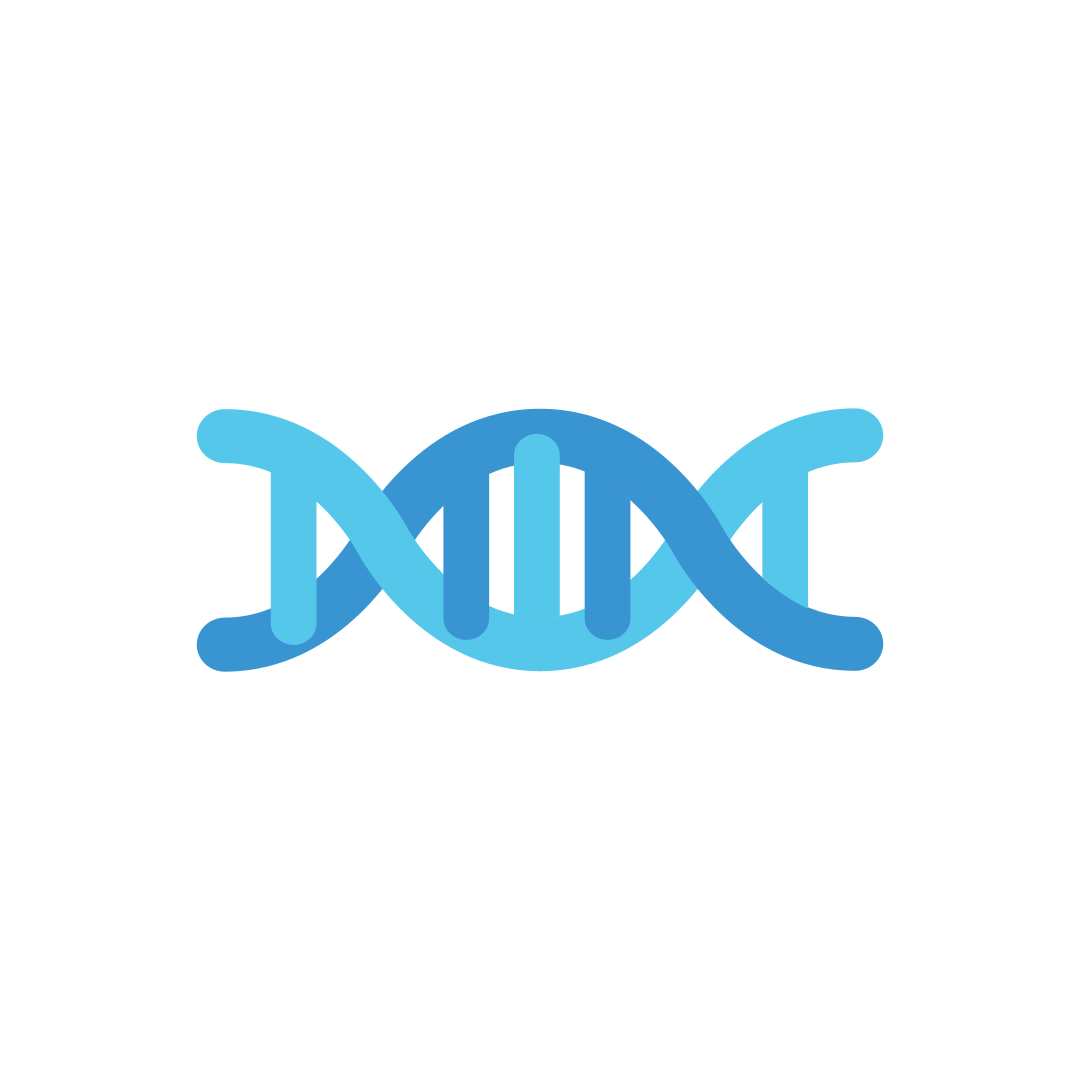 Not All DNA Codes for Proteins
-
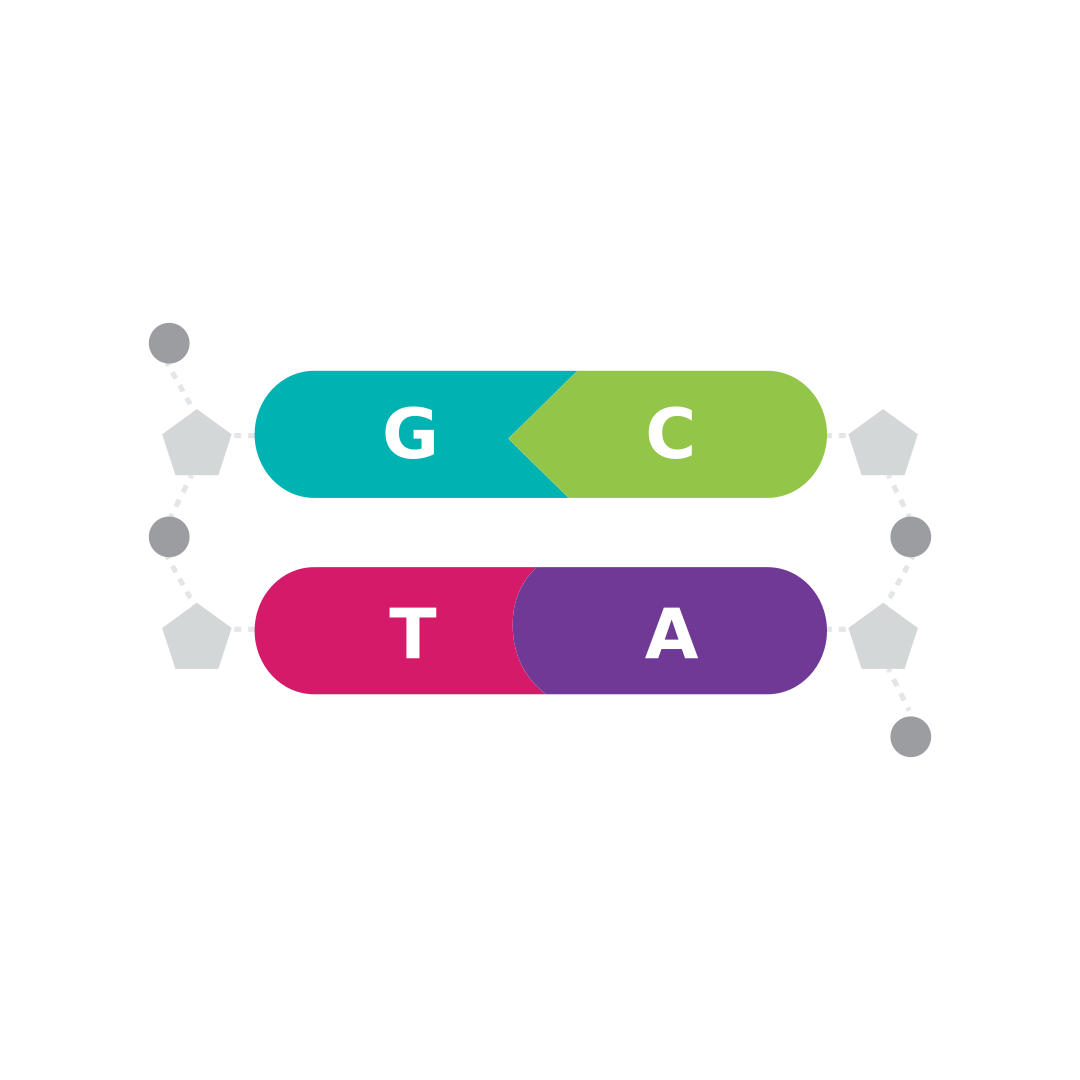 The DNA Structure Is a Double Helix
-
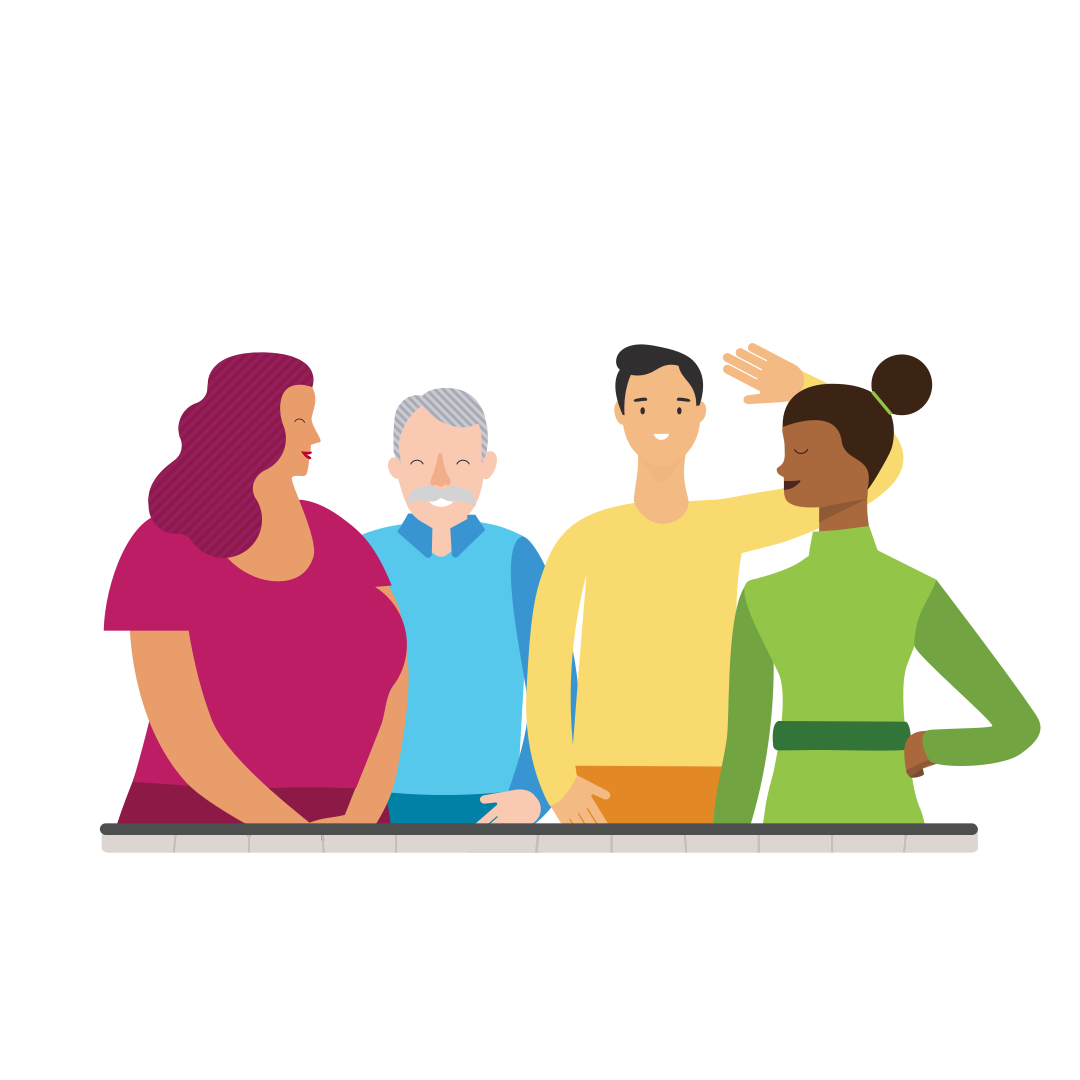 DNA Differences Make Us Unique
-
 What Are Genetic Variants?
-
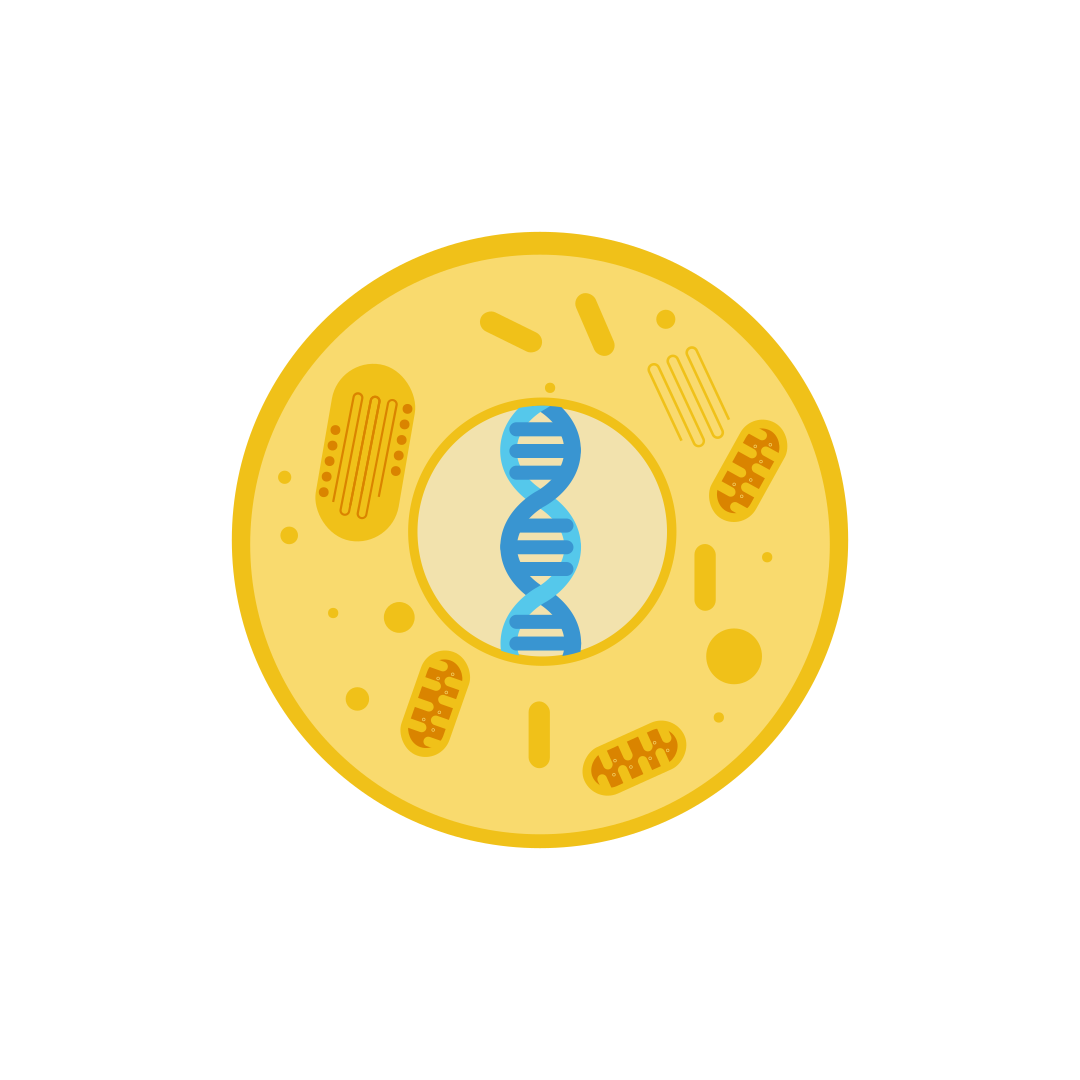 How New Genetic Variants Arise
-
 New Genetic Variants Can Become More Common Over Time
-
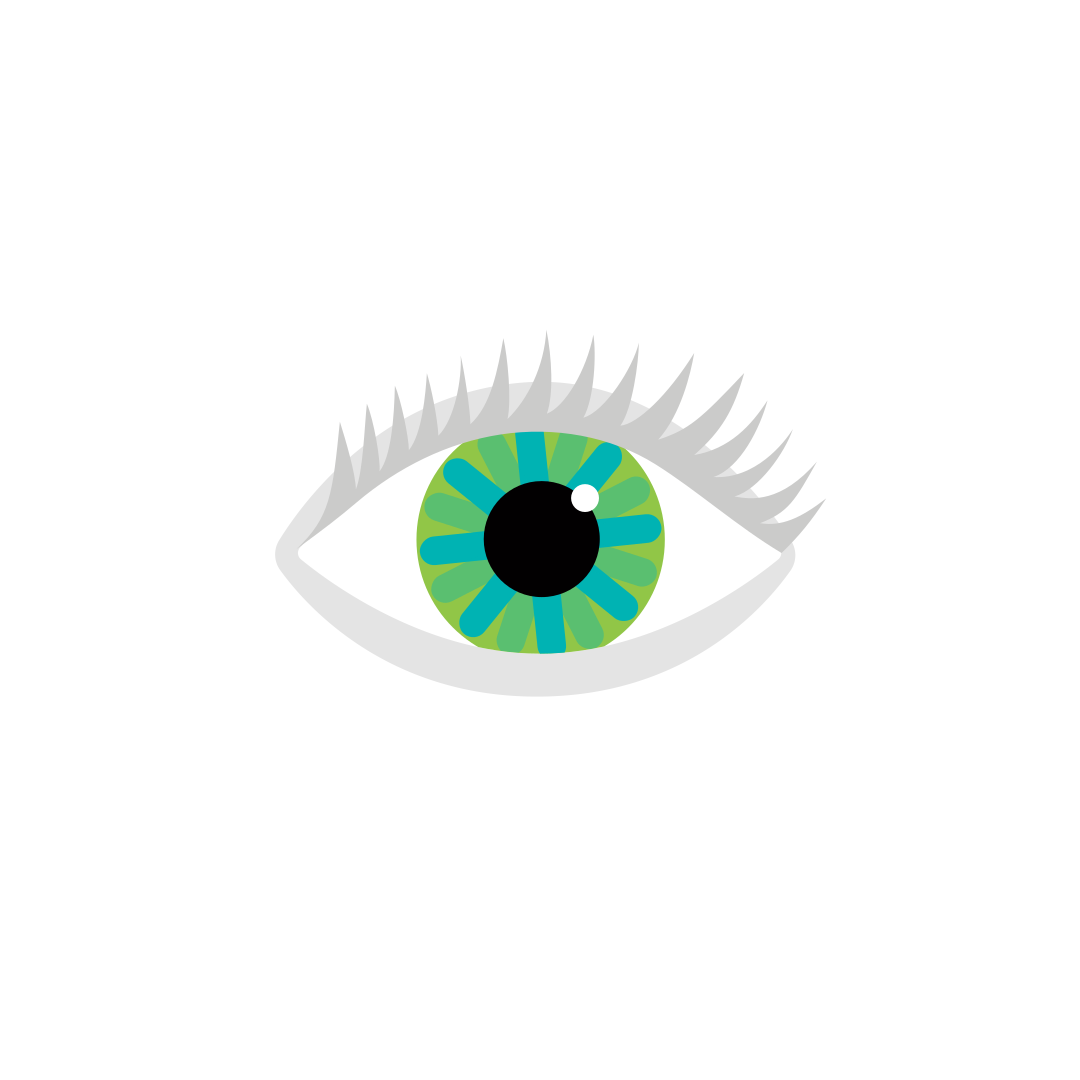 One Trait, Many Genes
-
 Lifestyle, Environment, and Your Genes
-
 Likelihood and Risk in Genetics
-
 How Scientists "Read" DNA
-
 Summary
Was this learning activity useful?
Genetics Vocab
Here's a two-page guide that covers common genetics terms and concepts, plus some fun DNA facts to share with your friends and family. Feel free to download and use this reference in future learning modules!
Was this learning activity useful?
Congratulations!
Congrats on finishing module 1! We've officially covered the basics of DNA. We explored how genes code for proteins and how 23 pairs of chromosomes keep our genetic information organized. We also learned about the human genome (all 3 billion DNA letters of it!) and the tiny genetic variants that make each of us unique.

Now that you speak the language of genetics, you're ready to dive into how this information is used in the real world. Let's keep going!
What You've Learned
You're almost done! These questions help you check in on what you learned and help us improve future learning experiences.
Share Your Feedback
We'd love your feedback. This brief, anonymous survey asks about your experience with the module and how well it supported your learning. Your responses help us improve future modules.