Discover why 23andMe is the best DNA test for people with African ancestry
23andMe offers the most detailed view of African ancestry, connecting you to hundreds of ethnic groups in Africa, plus ancient maternal and paternal lineages. You can also get personalized health insights, all with full control over your data.

Most comprehensive ancestry detail
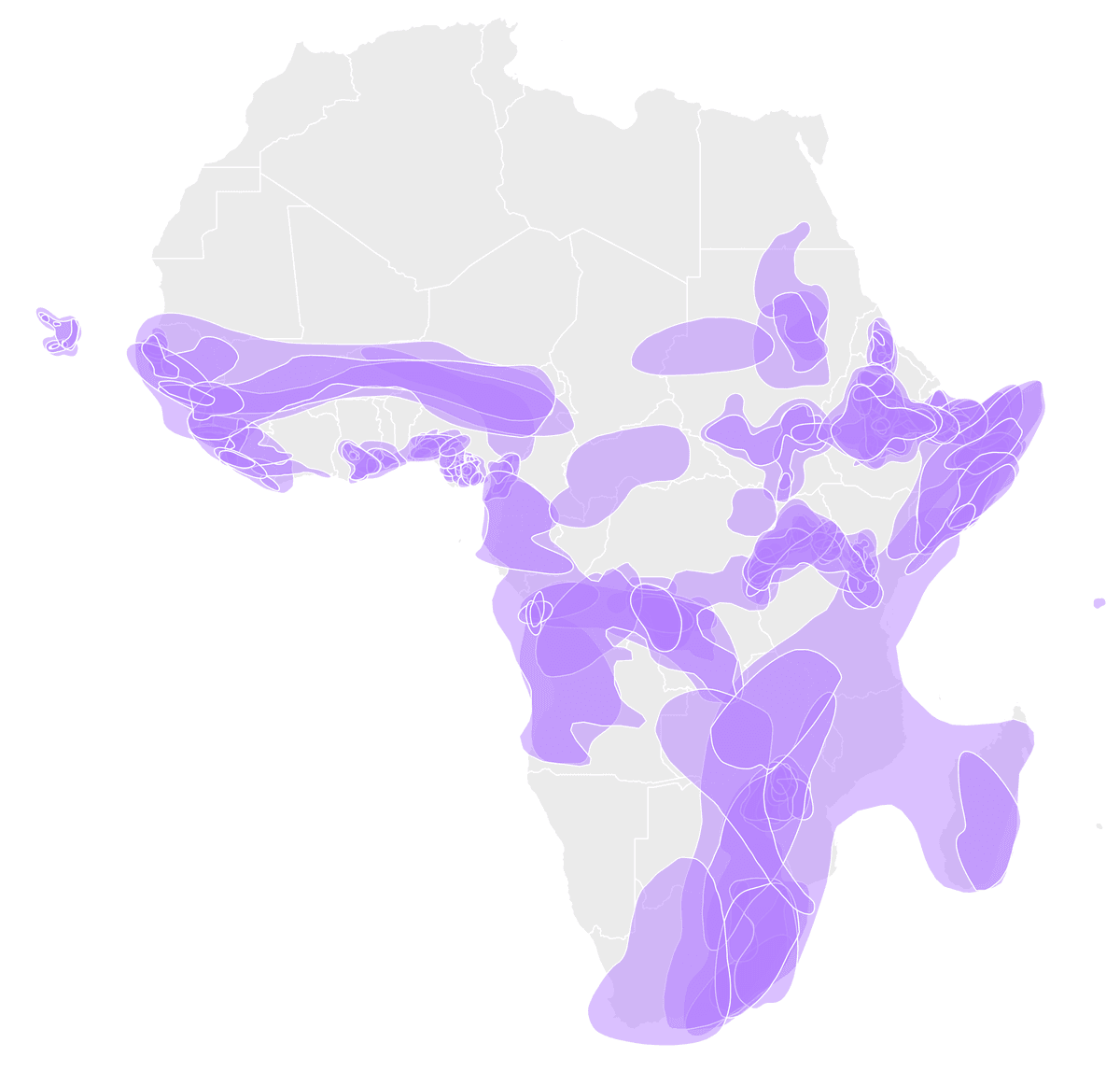
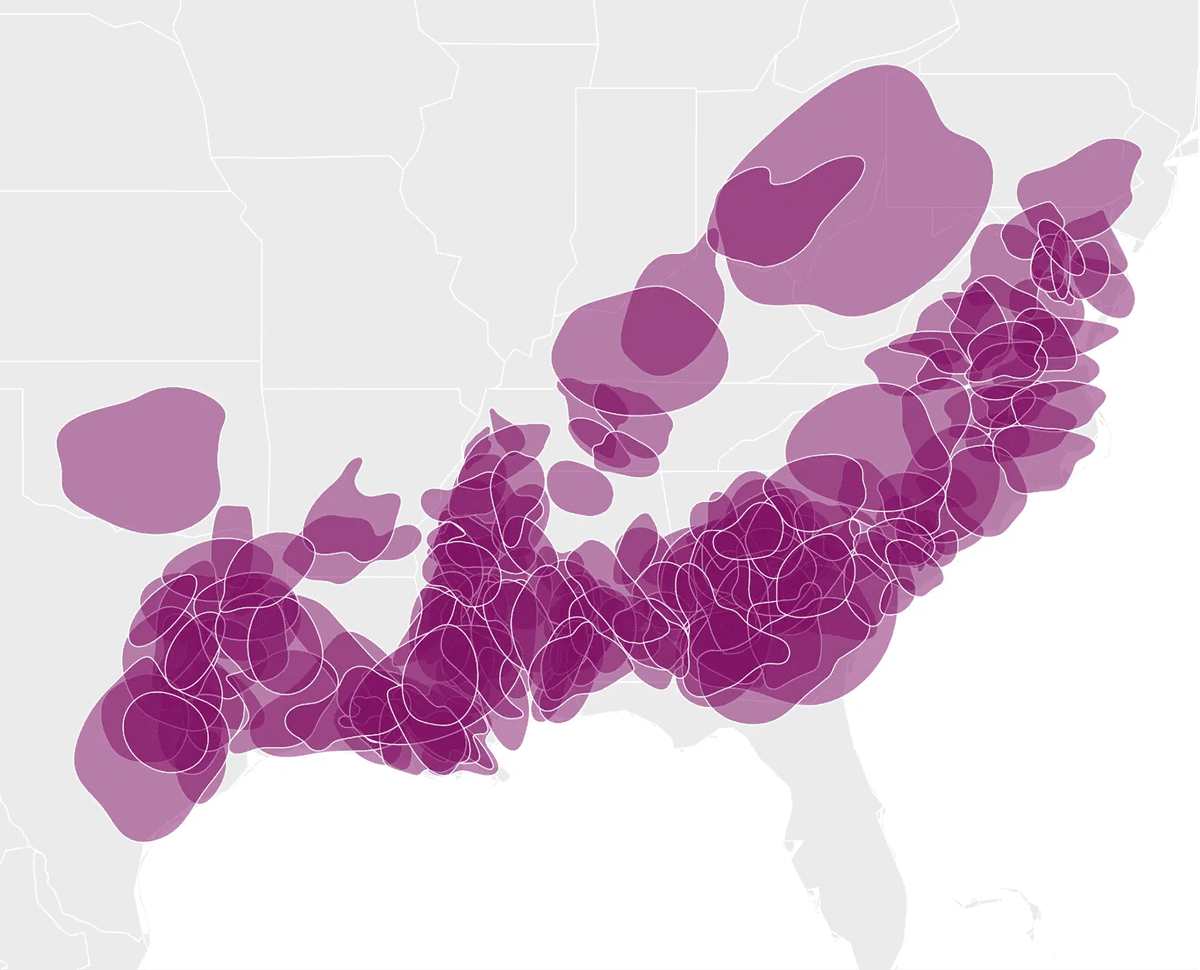
23andMe offers the most comprehensive African ancestry detail of any DNA testing company, connecting users to over 260 African ethnic groups, including Yoruba, Igbo, Kongo, and Zulu peoples, plus more than 200 groups in the African diaspora like the Gullah and Garifuna.
Trace ancient African lineages
With haplogroups, you can see where your ancient maternal and paternal lineages originated long ago and learn about the people and places they connect you to. Via analysis of mitochondrial and Y-chromosome DNA.
Optional health reports including Sickle Cell
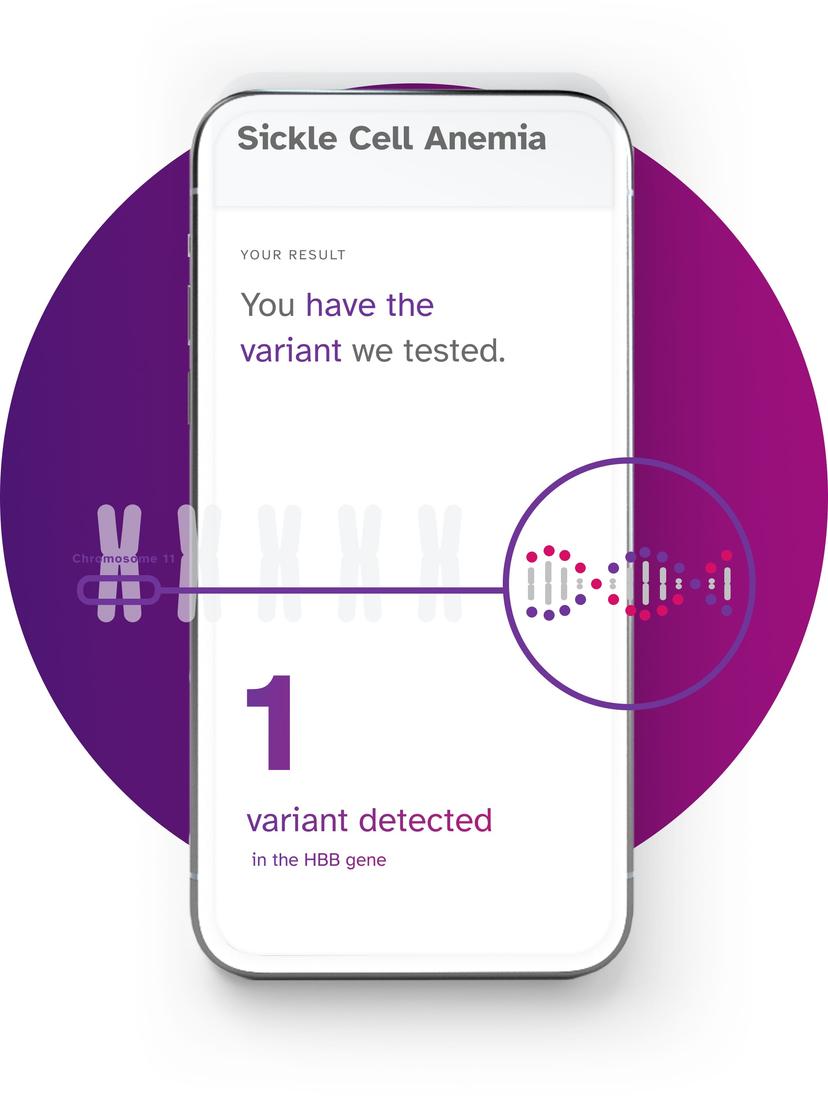
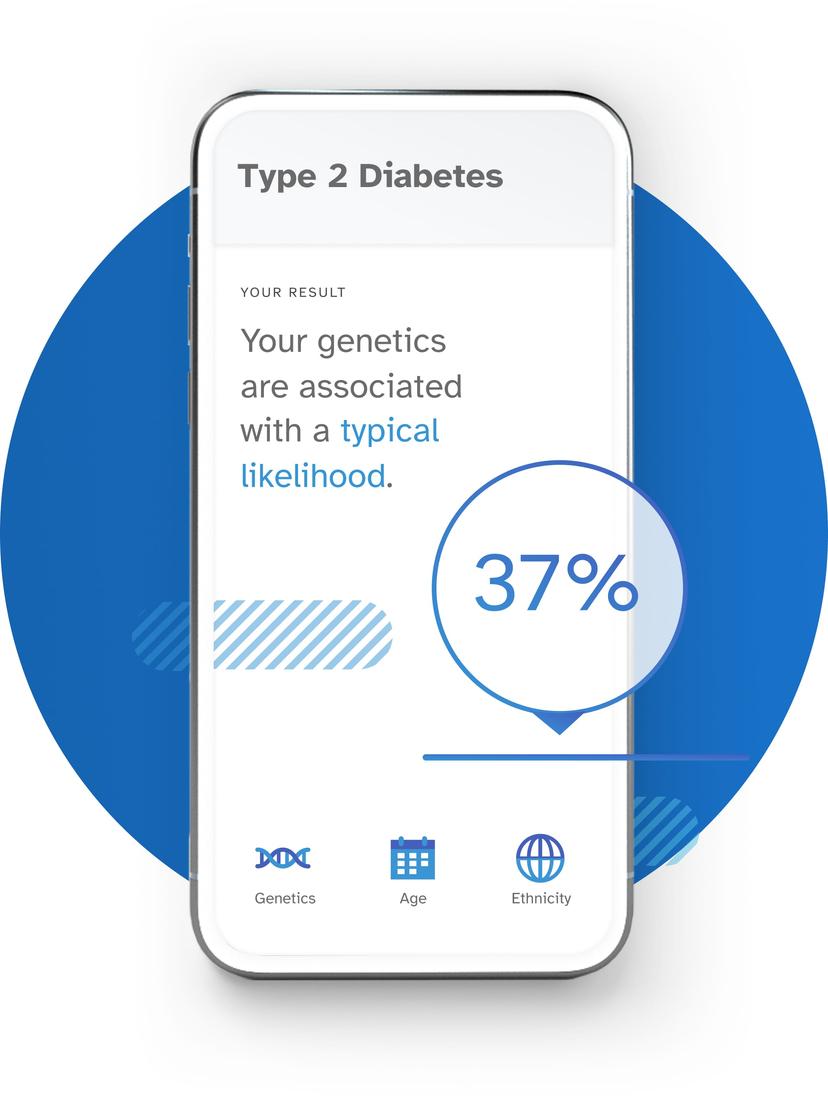
Access 110+ health reports, including reports on conditions that disproportionately affect people with African ancestry such as sickle cell anemia, high blood pressure, preeclampsia, prostate cancer, type 2 diabetes, and more.
Ancestry reports and features
23andMe, now a research non-profit, has the largest community of research participants with African ancestry in the world, and we have been committed to increasing representation in our cohort through efforts like and more. That focus on diversity has unlocked key discoveries through research and enabled our team to provide more ancestry detail in Africa than any other DNA testing company.
Real stories from real customers

Jordan
A pathway to his past, a stronger sense of himself.

Angelina:
I feel very much at peace with my identity and who I am as a woman. I feel complete.

Debra:
A leap of faith, a discovery of a lifetime.
Industry-leading DNA test with FDA cleared HEALTH REPORTS
Learn more about our FDA authorizations →Health reports on conditions that disproportionately impact the Black/African American community
23andMe offers many reports about how your DNA may impact your health and wellness. This page highlights reports on conditions that disproportionately affect Black/African American individuals and people of African descent.
Note that our health reports have limitations
Our reports don't test for every possible genetic variant linked to each condition, due to limitations of our genotyping technology. Because some variants are more common in certain populations, we may miss variants relevant to your ancestry.
For reports powered by 23andMe research, like our Colorectal Cancer PRS report, we sometimes lack sufficient data to create a genetic prediction that meets our scientific standards for all ancestries. This means results may not be available for some people.
You are in control of your data
It's your data, so you call the shots. From the moment you register your kit and set up your private account, you have meaningful choice in everything you do. That means you decide how your information is used and whether it is shared. You are free to change your mind at any time. You can download your data, delete your account or have us discard your sample in your account settings at any point.
Learn more about our privacy and security practices →Advancing research equity and health outcomes
23andMe is proactively building a more diverse community of researchers and participants to improve research equity and health outcomes for Black/African Americans.
Community Impact Programs
Recent initiatives focused on health conditions that disproportionately impact the Black/African American community, in partnership with organizations rooted and engaged in the community.
Scientific Leaders
23andMe has the largest cohort of people with African ancestry who have consented to participate in genetic research in the world, and we prioritize diversity through efforts like the African Genetics Project, the Global Genetics Project, and more. That focus on diversity has unlocked key discoveries through research.
Publications
2014
The genetic ancestry of African Americans, Latinos, and European Americans across the United States
Study significance: This study was pivotal in enhancing understanding of the genetic makeup of major ethnic groups in the United States, revealing the ongoing influence of historical and social factors on genetic diversity.
Published in: The American Journal of Human Genetics
2020
Genetic Consequences of the Transatlantic Slave Trade in the Americas
Study significance: This study represents the most detailed genetic analysis of the genetic impact of the transatlantic slave trade on populations across the Americas. It used data from over 50,000 individuals from the 23andMe database, representing African, European, and Indigenous American ancestries, to trace the genetic legacy of the forced migration of millions of Africans to the Americas.
Published in: The American Journal of Human Genetics
2023
The genetic legacy of African Americans from Catoctin Furnace
Study significance: This study demonstrates that when studied responsibly with input from stakeholders, long-buried DNA can be used to uncover obfuscated or forgotten histories of marginalized individuals.
Published in: Science
2023
A new method for multi-ancestry polygenic prediction improves performance across diverse populations
Study significance: Enables better risk-prediction models for individuals of non-European ancestry.
Published in: Nature Genetics
2024
Ancestry-Independent Risk of Venous Thromboembolism in Individuals with Sickle Cell Trait vs. Factor V Leiden
Study significance: This is the largest study ever conducted on sickle cell.
Published in: Blood Advances
Frequently Asked Questions
Have questions about our DNA test for people with African ancestry? Find answers to common questions about our testing process, privacy protections, and what makes 23andMe unique.