
What happens when more than 8,000 geneticists gather in one place? This October, we get to find out again. From October 20 to 24, the American Society of Human Genetics (ASHG) is holding its 76th annual meeting in Montréal.
First held in 1948, ASHG has grown into the world’s largest annual gathering of human genetics and genomics professionals. Over five days, researchers, clinicians, genetic counselors and students share new findings, many not yet published, on questions ranging from rare disease diagnosis to the genetics of common conditions. For the 23andMe Research Institute, as a nonprofit medical research organization, being in Montréal is about listening as much as presenting. Our scientists will share their latest work, including new findings from 6 million consented research participants showing how many people receive a medically actionable result through direct-to-consumer genetic testing. But some of the most valuable moments happen in poster halls and hallway conversations. That’s where we learn about new methods, see emerging data and make connections with other scientists and future collaborators. Those exchanges keep our research sharp and help move discoveries closer to the clinic, where they can make a real difference in research and health.
Research at 23andMe has always been a team effort. Our 11 million consented research participants make it possible, and collaborations with academic, nonprofit and industry partners have helped turn that participation into more than 300 peer-reviewed publications. Recent studies published in Science and Nature, show what research at this scale makes possible, from identifying the largest known single genetic risk factor for lung cancer to discovering genetic variants that influence how people respond to GLP-1 medications.
At ASHG, we’re introducing new capabilities designed to give researchers more flexibility, depth and clinical context by connecting genetics with de-identified real-world health data. We’ll also discuss our commitment to expanding access to genetic and phenotypic data, so more scientists can bring their own questions and expertise to our cohort. All of this rests on our longstanding commitment to participant consent, privacy and trust, and to rigorous research practices. The questions facing human genetics are too big for any one team to answer alone, and we’re eager to find new partners who share that view.
Are you a researcher looking to benefit from the scale and depth of 23andMe genetic and phenotypic data? Visit us at booth #400 to explore new research capabilities and opportunities for collaboration, or connect with us to start a conversation.
Connect with the 23andMe Research Institute at ASHG
Join us at booth #400
Presentations
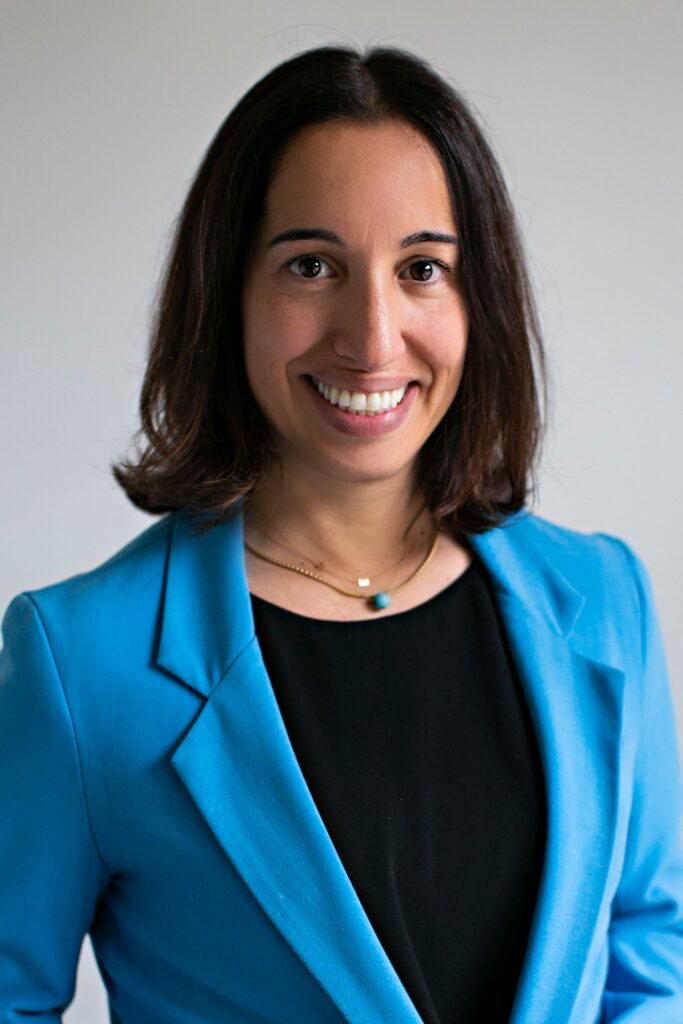
FRIDAY, OCTOBER 23RD 01:30 pm – 02:30 pm
Platform Session 86: Returning ‘Omics Results to Patients to Improve Health (Room 510/Level 5)
One in ten individuals receives a medically actionable result through direct-to-consumer genetic testing: Insights from 6 million research participants
presented by Noura Abul-Husn, 23andMe Research Institute, Chief Medical Officer
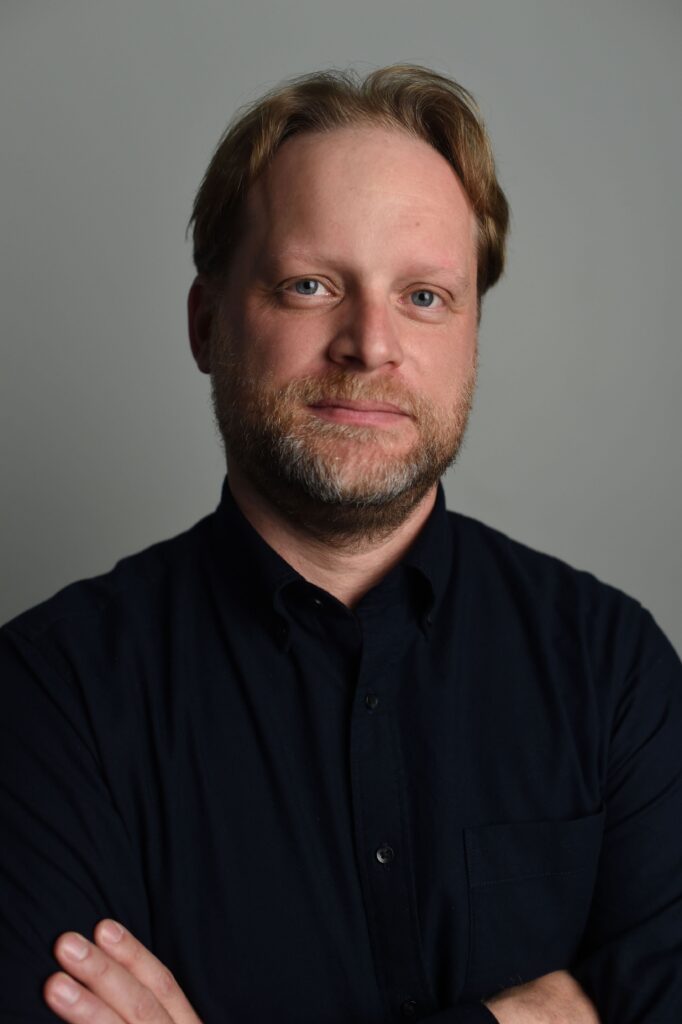
THURSDAY, OCTOBER 22ND 05:00 pm – 05:30 pm (CoLab Session; CoLab Theater 2, Exhibit Hall)
Genetic Discovery at Population Scale: What Becomes Possible with 11 Million Research Participants
presented by Adam Auton, Vice President of Research
Posters
THURSDAY, OCTOBER 22ND 04:15 pm – 06:15 pm (Poster #8468T)
Validation of Self-Reported Phenotypes in a Real World Genotyped Cohort
presented by Wanwan Xu, Sr. Scientist I
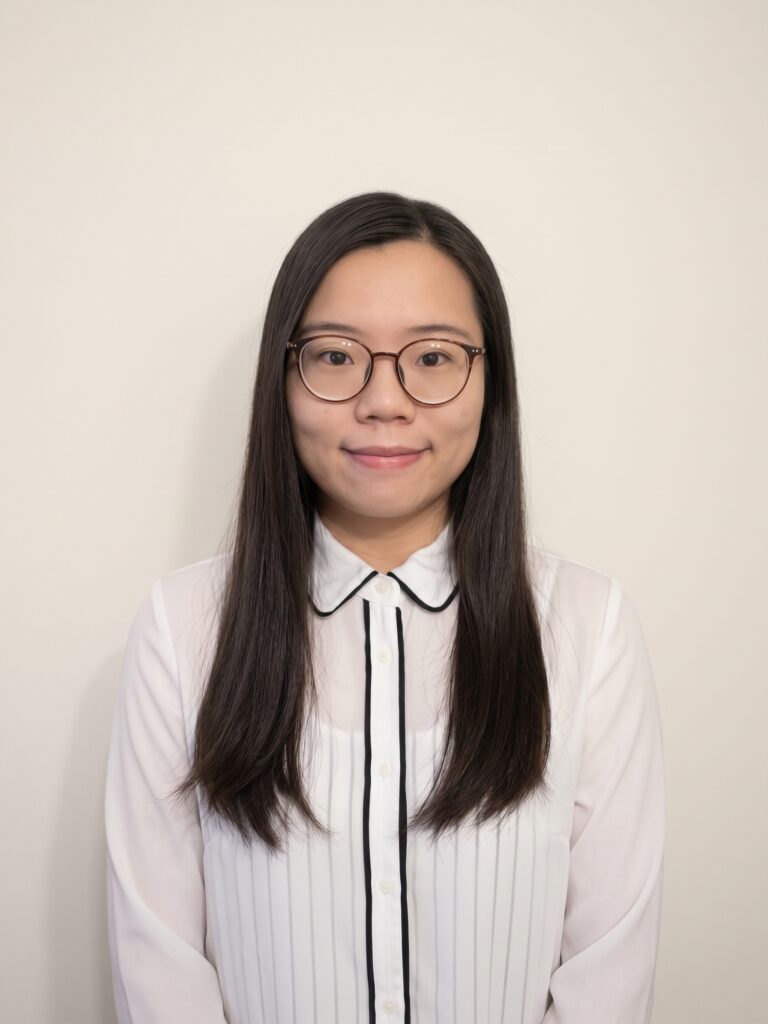
THURSDAY, OCTOBER 22ND 04:15 pm – 06:15 pm (Poster #4006T)
Genome-wide burden testing of imputed rare variants recovers sequencing-based signals
presented by Keng-Han Lin, Sr. Scientist II, Statistical Genetics
Can’t make it to Montréal? Reach out to start a conversation with us.